Touchless Control and the lessons of history

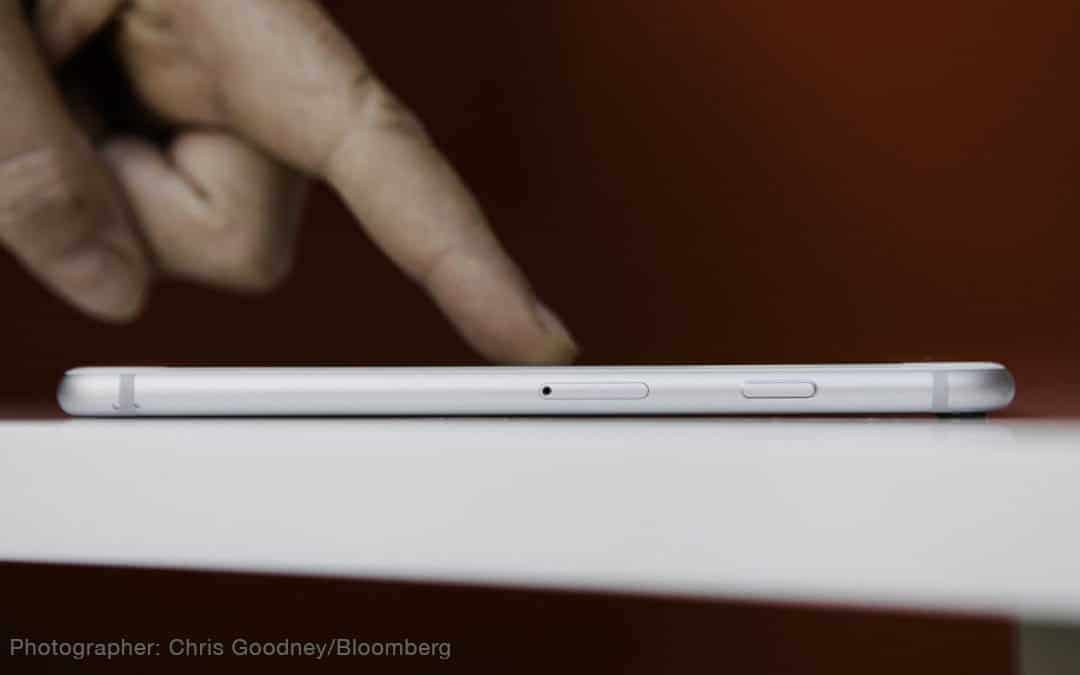
Ah, the endless quest for new iPhone features. Last week, we learned of the looming possibility of curved screens and Touchless Control.

Of course it’s silly to analyze features that are years away, if they ever come to exist at all. But what kind of technology enthusiasts would we be if we didn’t talk about our hopes, dreams and fears? This is far cheaper than professional counseling.

It can often be useful to put new ideas in context of old ones.

Curved glass? Yeah, okay. I trust Apple when it comes to hardware design. Touchless Control? Sorry to say, I’m trusting Apple a bit less in the area of usability these days.

The idea of Touchless Control sparked a few neurons that had been tucked away in the rarely-visited iPod section of my brain.Continue reading…
Apple’s case of dance fever

It’s an interesting phenomenon—Apple runs an ad and the internet lights up with comment and commentary. (Points finger at self.)

Not sure many people appreciate how unusual this is. Ads from Dell or HP come and go, and passions rarely flare up. I suppose this is why so many people follow Apple—friend or foe, we actually care what it does.

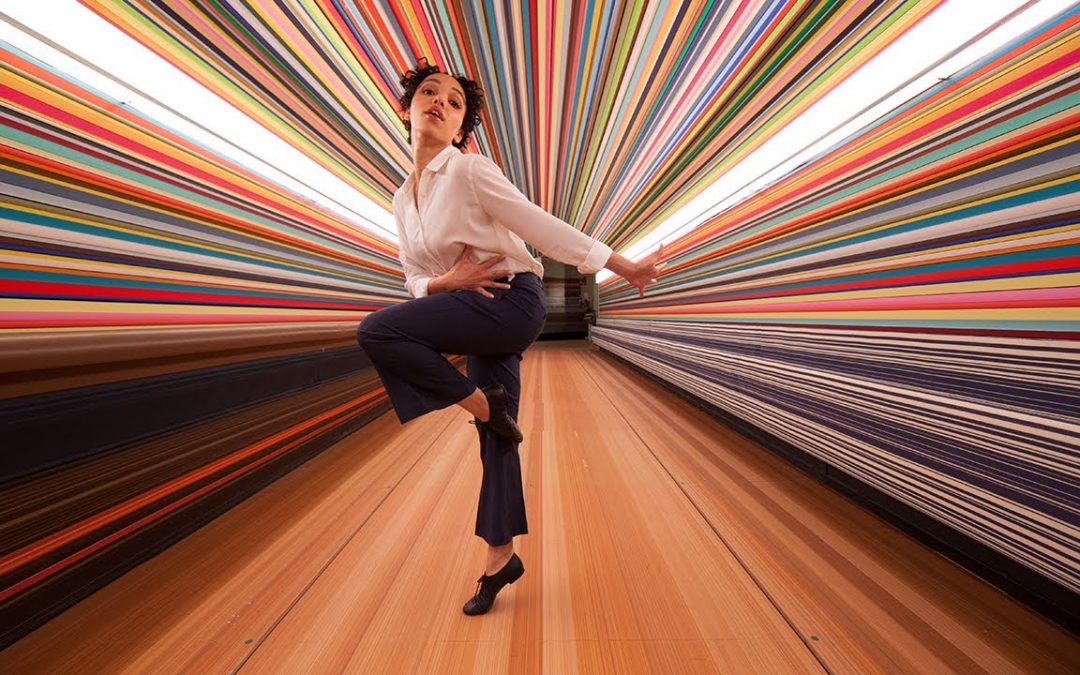
The Apple story of the week is the new HomePod ad. Four minutes in length, I’m not sure you can call it an ad, but it’s out there and getting mostly positive reactions. Directed by Spike Jonze, psychedelic expanding sets, cool music, emotional dance … what’s not to like?

Oh no. Please don’t tell me you’re going to dump on this ad.

It’s not that I don’t like it. I think it’s beautifully produced, like all Apple ads. But it does make me feel like I’ve been here before. Or, more accurately, that I’ve been here many times before. Like I’m stuck in an infinite loop of Apple dancing ads.Continue reading…

Think different, Take 2

Now that my website has been redesigned into the 21st century, I thought it would be fun to start off with a little cross-century creativity.

Back in 1997, when Steve Jobs introduced the Think different campaign at an internal Apple marketing meeting, he noted that people we honored in the campaign didn’t actually use Apple technology, and then quipped, “but they would have.”

Cue Michael Rylander, designer/art director who was part of the agency Apple creative team back in those days. Steve’s words inspired him to let some of those great people reach into the future to get their hands on some iconic Apple products. Time travel courtesy of Photoshop, of course.Continue reading…

iPhone X and the critics’ Festival Of Wrong

Getting Apple wrong is hardly anything new. Apple naysayers and wrongness share a rich and glorious history.

Remember, Apple failed when it created a computer that works with a mouse; when it left the floppy drive out of iMac; when it forgot how to innovate after iPhone; when it built a watch nobody wanted; when [your favorite fail here].

But history be damned. Following three years of physically unchanged iPhones, iPhone X was a target many critics couldn’t resist.

The result? We were treated to a veritable Festival Of Wrong, served up by countless critics in four distinct phases.Continue reading…

Apple and the common sense factor

We all know that Apple rose from the dead because Steve Jobs had a unique mix of talents.

He had vision, he understood human behavior, he loved design and he was a gifted conductor of a complex orchestra.

My experience with him makes me want to add one more trait to that mix. That is—he relentlessly acted on common sense.

Trust me, this is more rare than it sounds. Working with other iconic companies, I too often saw common sense take a back seat to cost, timetables and opinions. The result was always something less than our original vision.

When I look at today’s Apple, I still see the company I love. I still see products that are beautifully thought-out. I still see the love of design.

But common sense? I worry.Continue reading…